In my last blog post, I analyzed building permits from 2025, paying specific attention to the eight-unit permits. However, city administration’s proposal for the RS zone is twofold:
At the same time, Mayor Knack has mused about whether turfing the eight-unit hard cap in favour of a (presumably higher) lot area per home requirement.
“I think we need to make a change, but what I’m wondering about now is should it be a set number or should it be based on the size of the lot?” he said. “There are lots that are 900 square metres and there are lots that are 400 square metres. If you say six for the sake of six, does that actually make sense?
Let’s take a quick look at how different lot size per home thresholds could affect housing in the RS zone, with or without an eight unit hard cap.
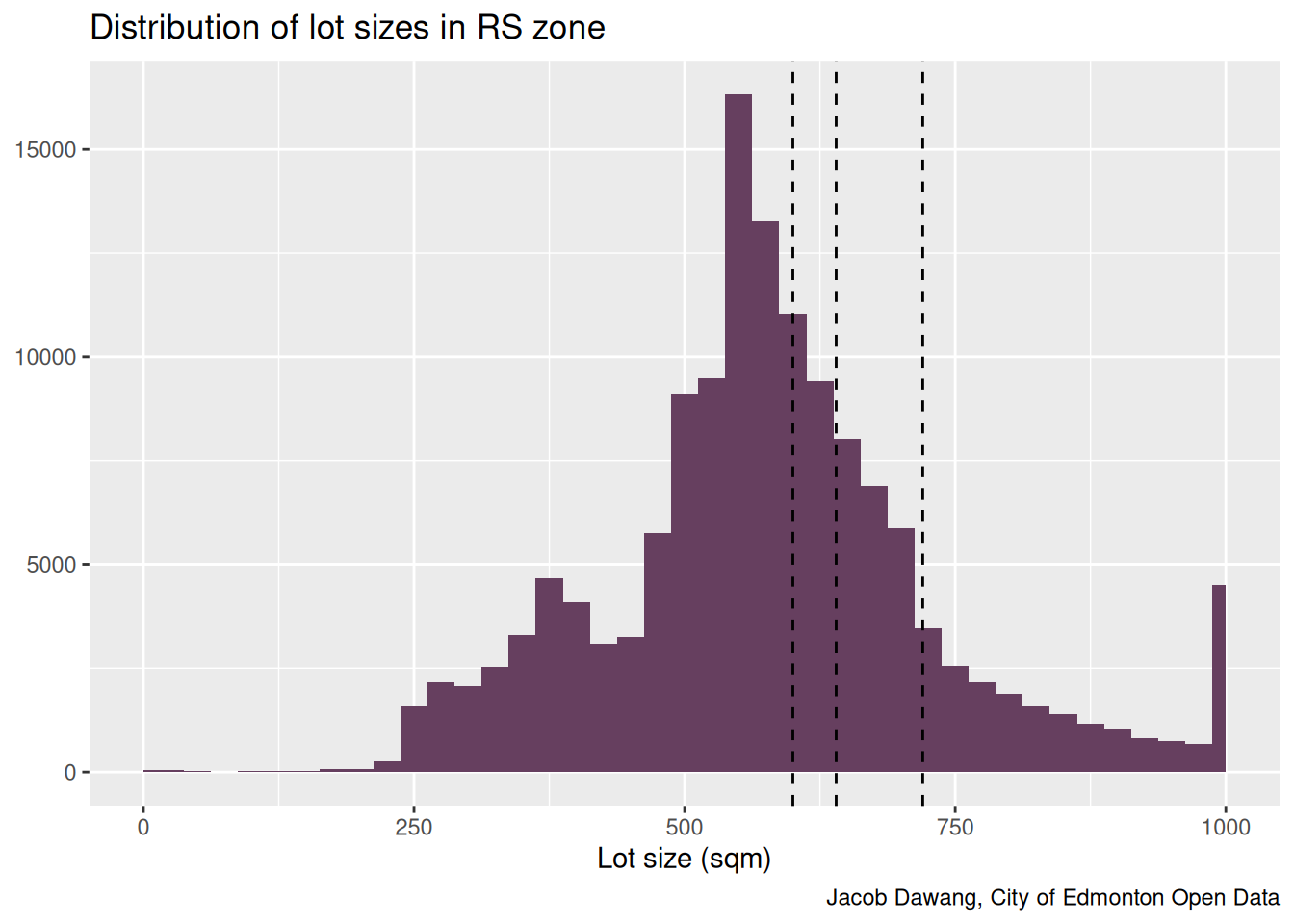
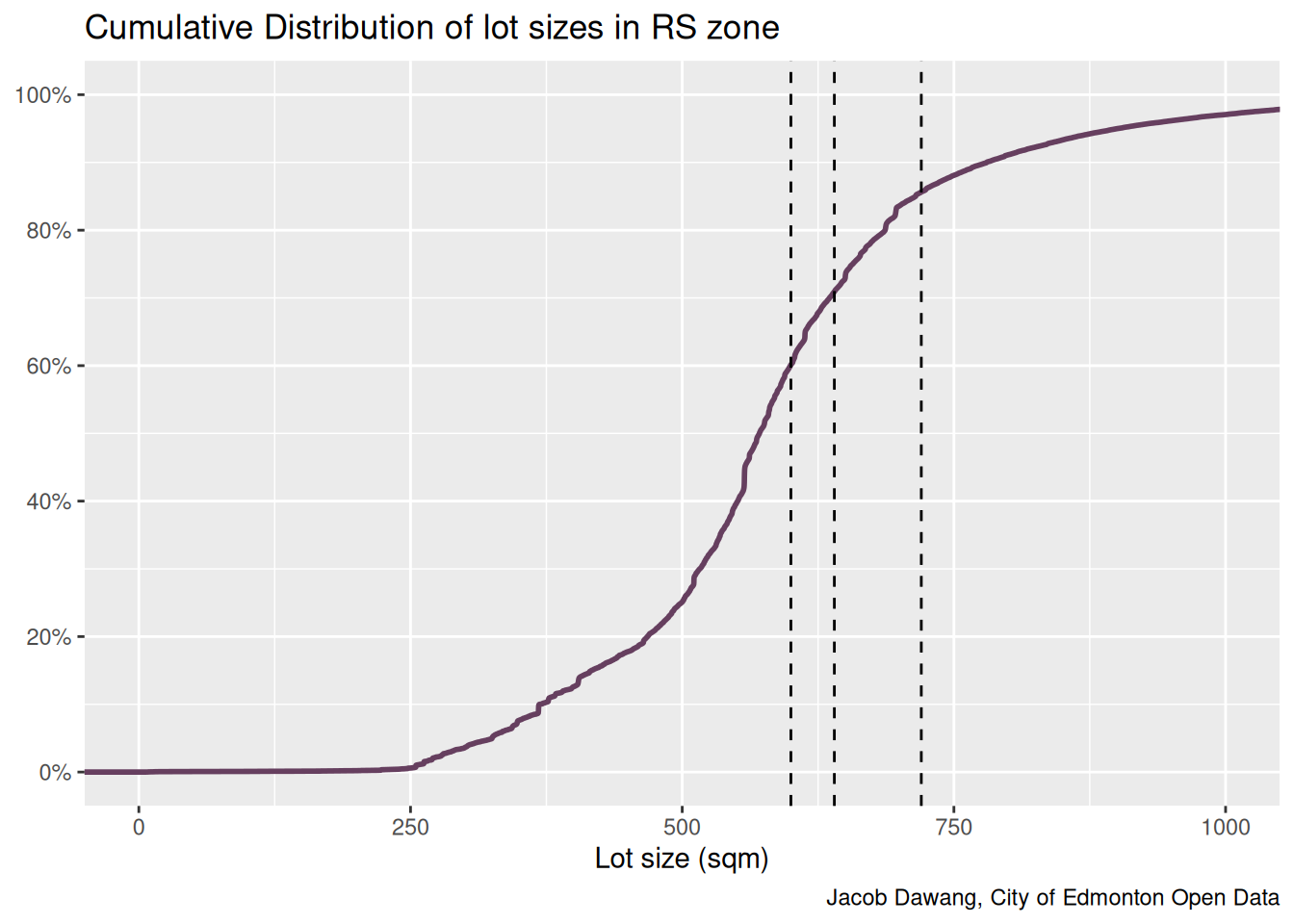
First, let’s examine the lot size of all RS-zoned properties in Edmonton. Figure 1 shows that lot sizes in Edmonton are generally large. I’ve added dashed lines at where 75m2, 80m2, and 90m2 lot area per unit would allow eight units. This tells us that moving from 75m2 to 80m2 would be detrimental. Moving to 90m2 would sanitize large swaths of the RS zone to having eight homes or more, regardless of the hard cap.
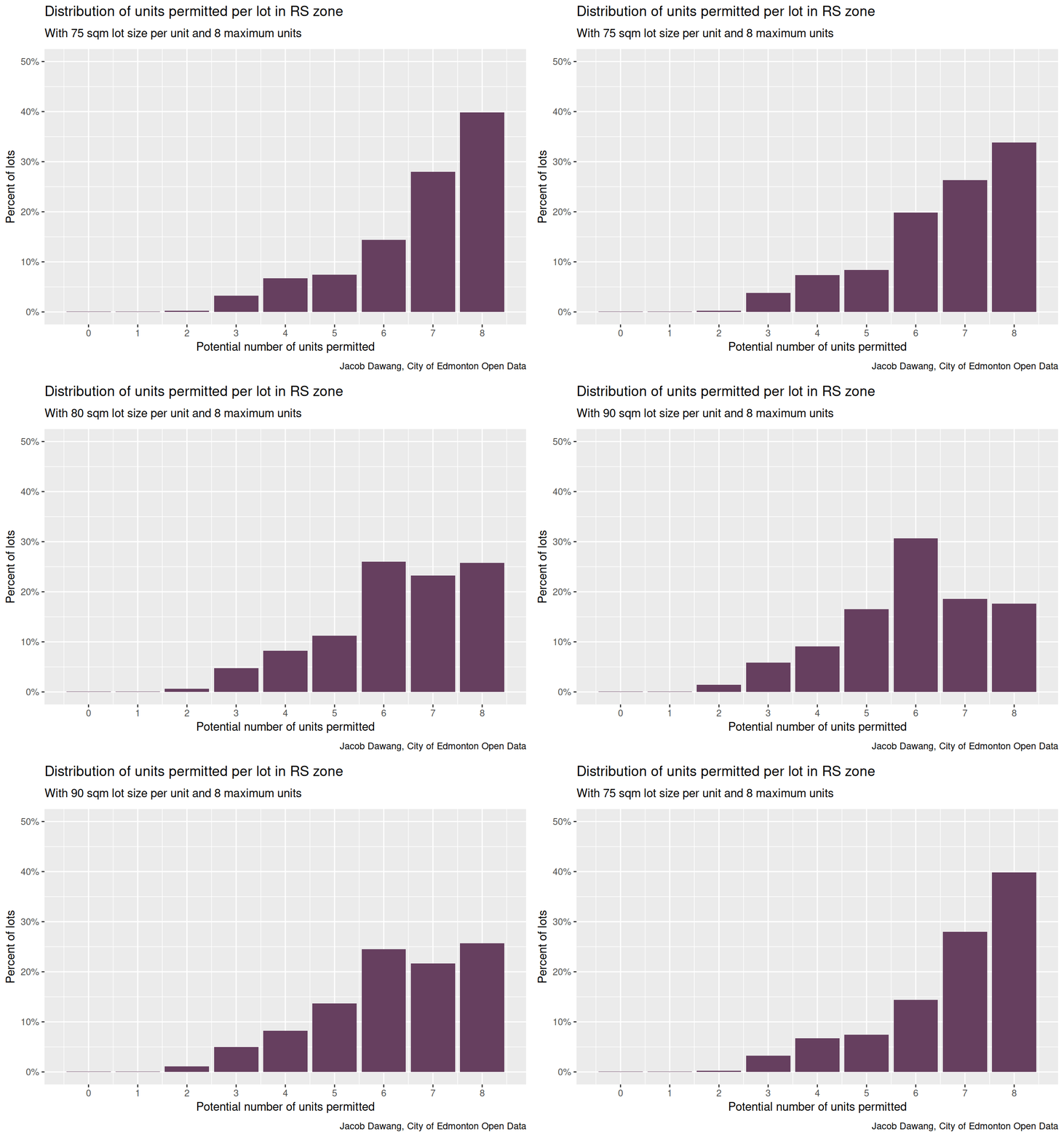
By dividing lot size by the lot area per unit threshold, we can get a summarized view of how many potential homes each threshold would allow on each lot. First, assuming the eight-home hard cap remains, we can see the detrimental effect of increasing the lot area threshold in Figure 2.
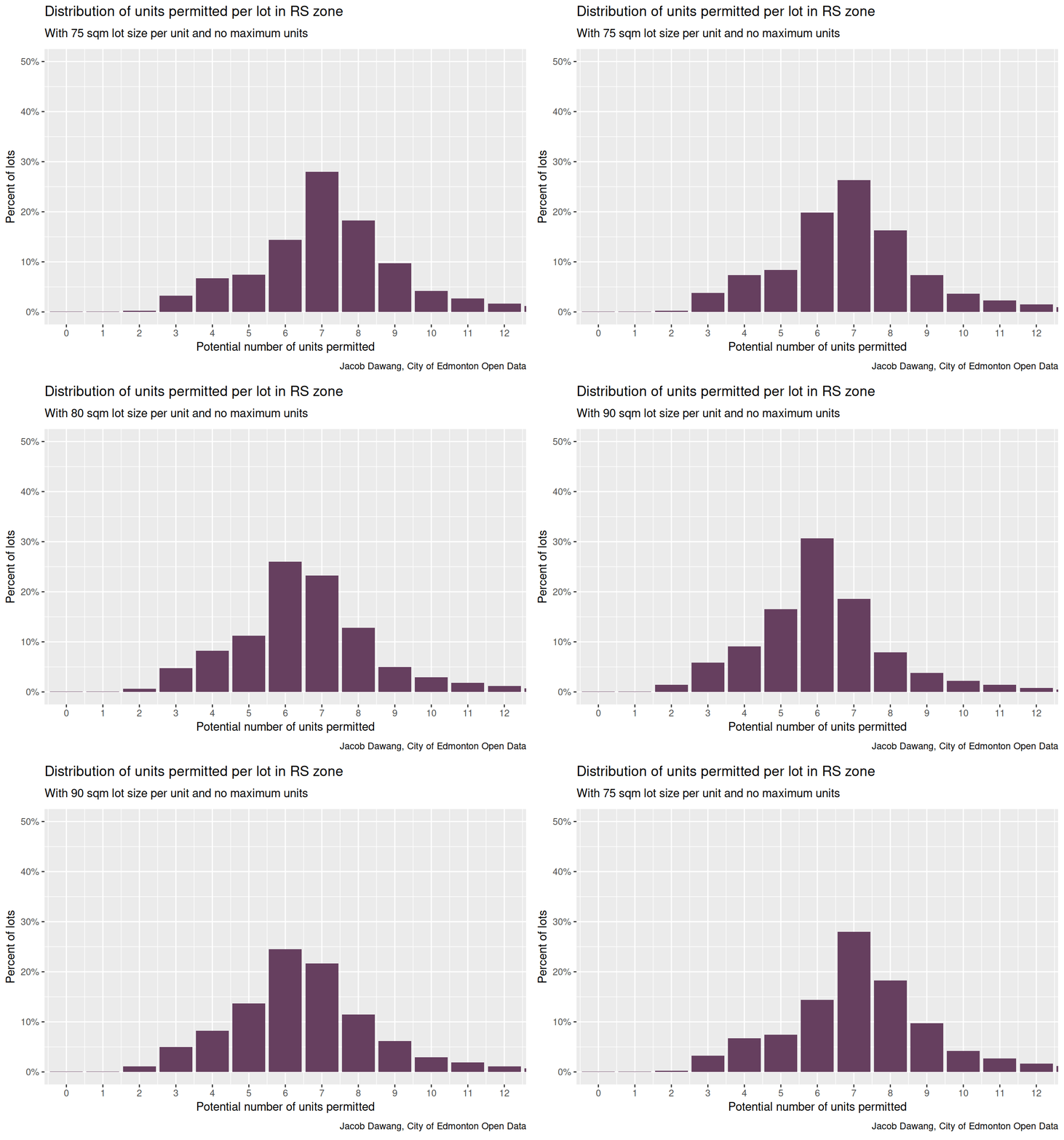
Maybe removing the eight-home hardcap would make up for this. Figure 3 shows the same animation as above, but with no eight-home hardcap. We can see that the lot area threshold is still very detrimental, pushing the number of lots that would permit eight homes or more way down.
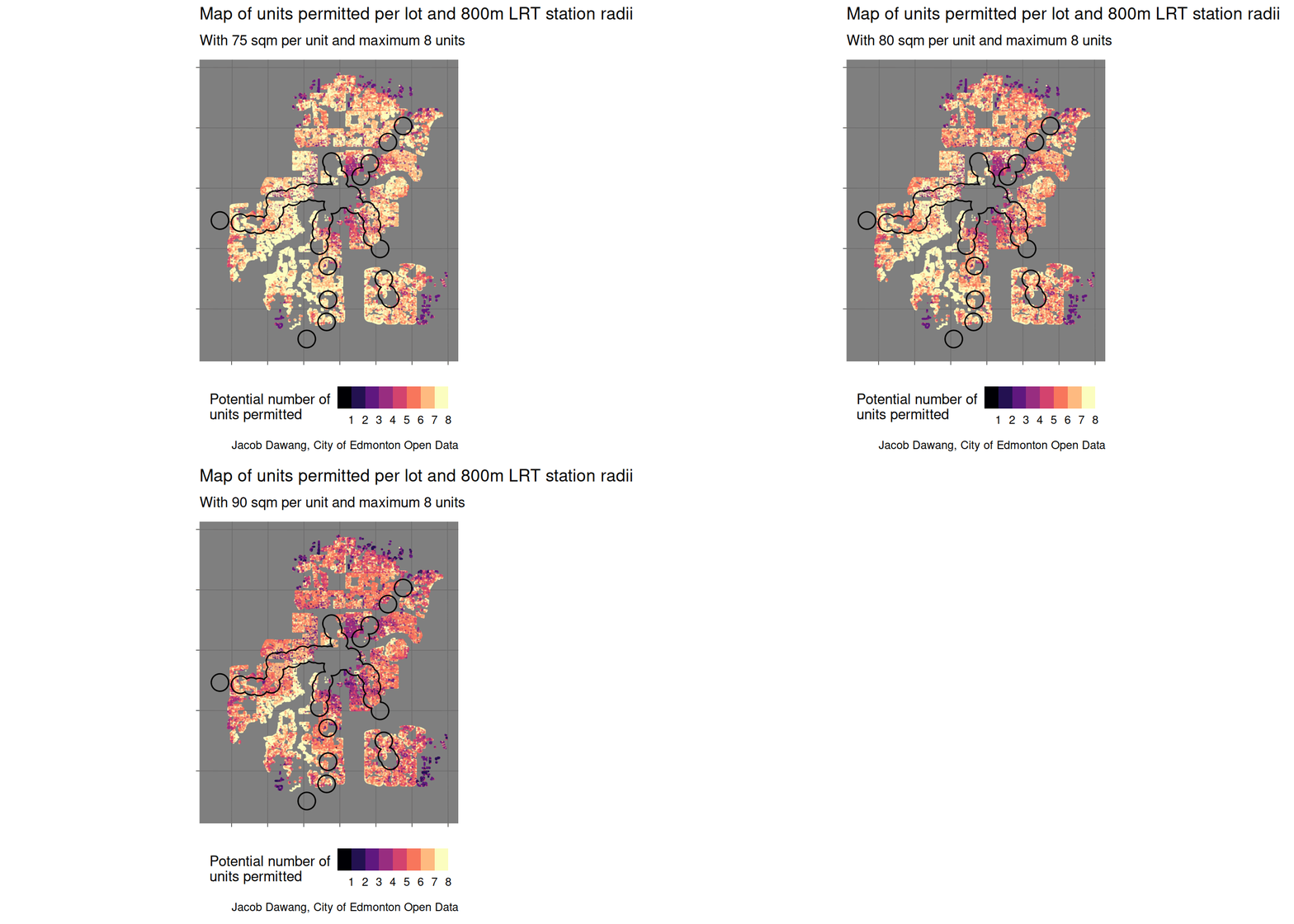
Let’s map the thresholds. Figure 4 shows every lot in the RS zone and the number of homes it would allow under the proposed lot area thresholds, assuming an eight-home hardcap. The clear issue here is that the larger lots are generally located away from transit, in areas that are not conducive to building infill rowhomes, and areas that have not seen much new construction at all. The biggest effect is around the Valley Line West, where at 90m2, wide swathes of land see reduced permissions.
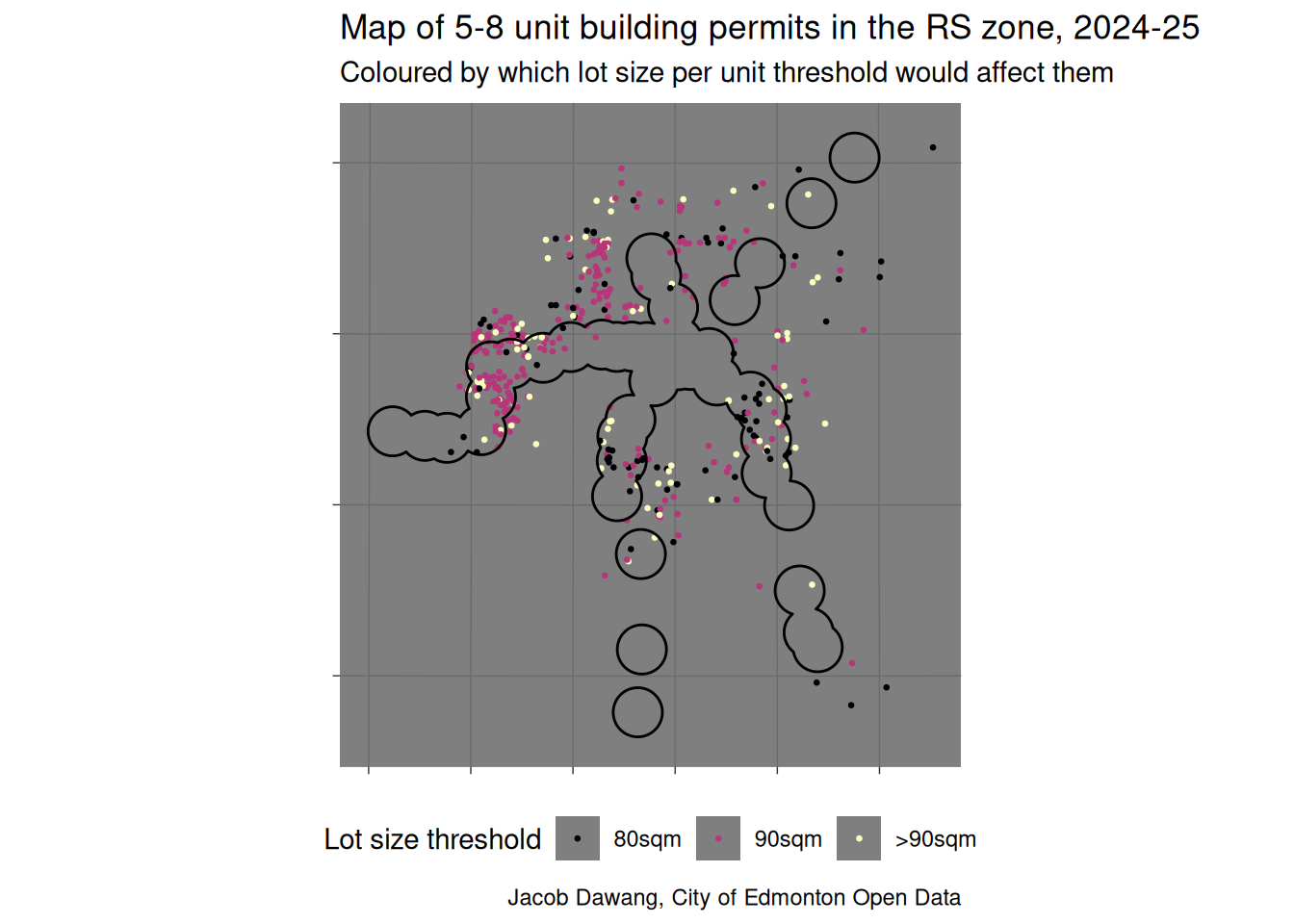
Not all lots are likely to be developed. We can take a look at building permits from the past couple years to get an idea of how these lot area thresholds would have retroactively affected them. Figure 5 is a map of all 5-8 home building permits in the RS zone in 2025, coloured by the lot area per unit threshold under which they would no longer be allowed. At the first threshold of 80m2, a cluster of permits around the university and Valley Line Southeast are no longer permit. The second threshold of 90m2 notably would no longer permit the cluster of permits along the Valley Line West, as well as the vast majority of the remaining 5-8 unit building permits.
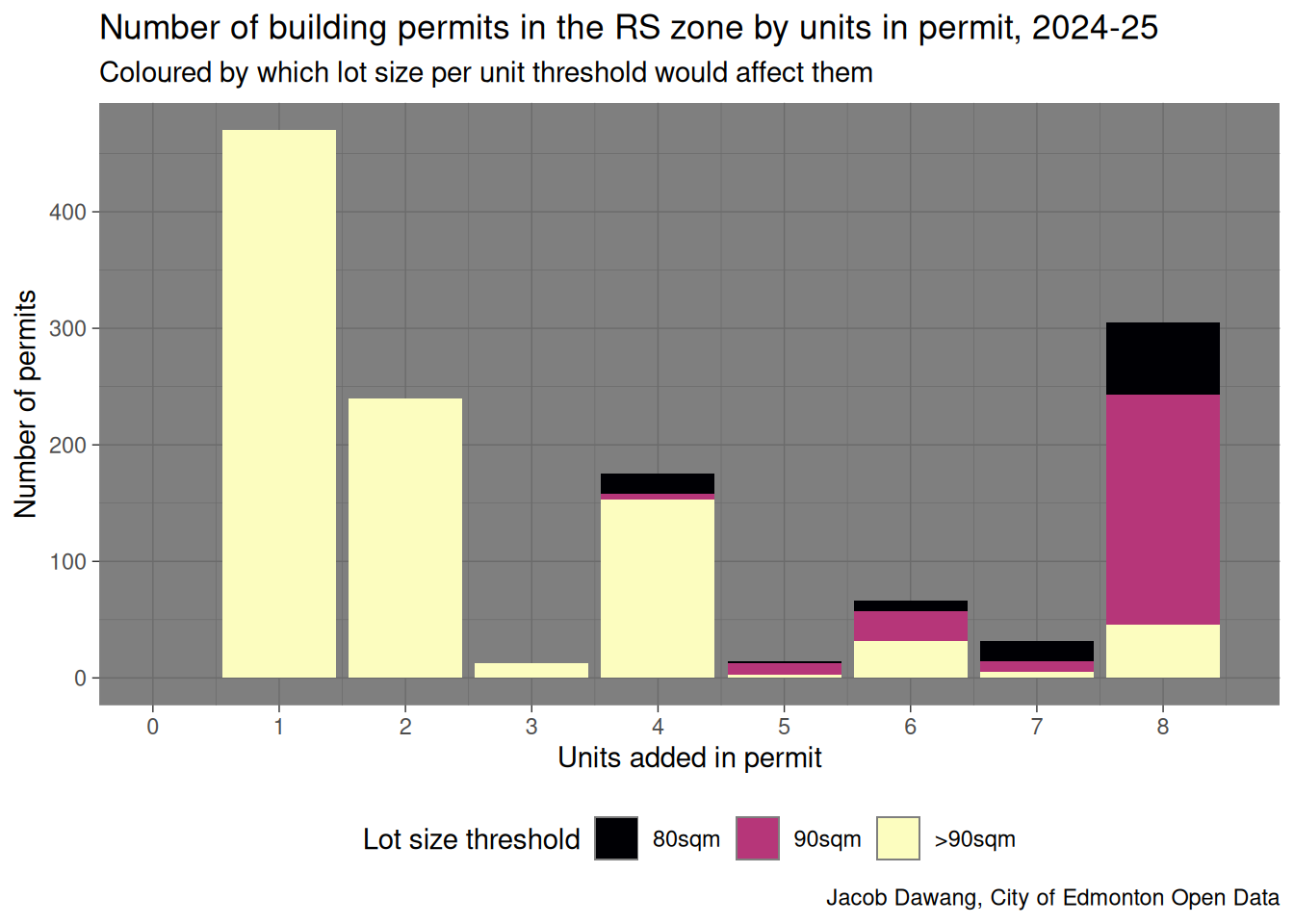
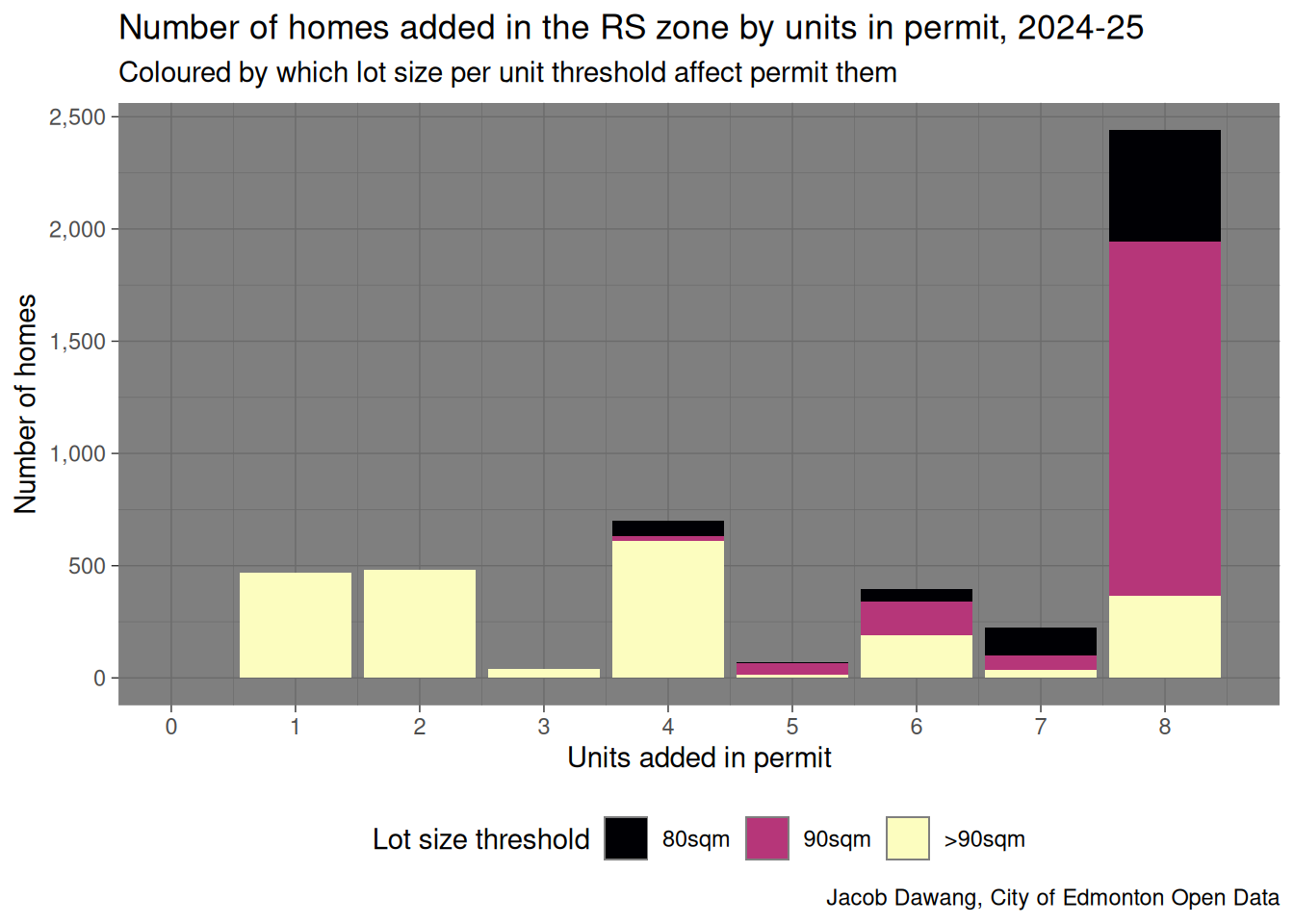
We can tally up the number of permits and home that would no longer be permitted in their current form. Figure 6 hammers home this point: moving to a 90m2 would be like taking a sledgehammer to the RS zone. Applied retroactively, thousands of homes would not be allowed to be built in their current form, around 42% of homes permitted in the RS zone in the past two years.
The plots below have different scales for the y-axis as the first one measures number of permits and the second one measures number of homes.
In conclusion, increasing the lot area per unit to 80m2 would be a significant hit to the zoning bylaw, but 90m2 would be like taking a sledgehammer to it.